
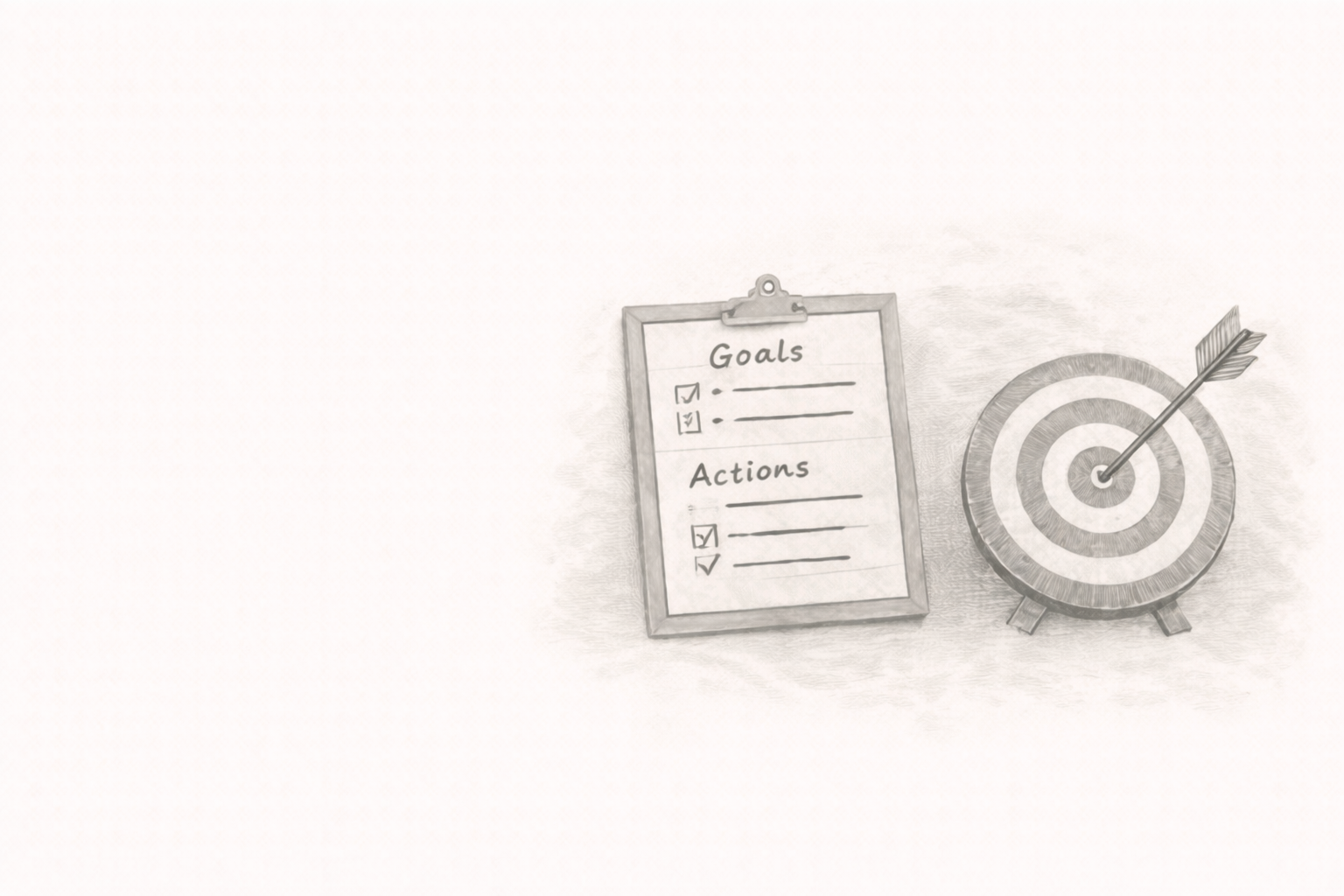
How Trauma Recovery Coaching Works
This work is designed for individuals who are no longer in crisis and are ready to move from survival into clarity, stability, and intentional forward movement.
This approach is deliberate, structured, and paced to support lasting stability rather than short-term relief.

What Sessions Involve
Sessions are structured, contained, and goal-oriented. Work may include identifying trauma-shaped responses, clarifying priorities, strengthening boundaries, and developing practical strategies for stability and follow-through.
This work focuses on:
Stabilizing internal patterns and reactions
Clarifying values, priorities, and boundaries
Rebuilding self-trust and consistency
Making informed, intentional decisions
Translating insight into practical action
Sustaining long-term change
Progress is measured by increased clarity, agency, and consistency rather than emotional intensity.
Focus of the Work
Trauma recovery at this stage is not just about revisiting or reliving past experiences. It is about understanding how trauma has shaped current patterns and deliberately rebuilding internal structure, decision-making capacity, and direction.
Coaching sessions focus on present functioning and future-oriented change rather than emotional processing alone.
Readiness Matters
This approach is most effective for individuals who are ready to take responsibility for change and engage in deliberate, forward-focused work.
Those who are still in crisis or experiencing ongoing trauma will be better served by immediate support or clinical care before engaging in coaching.